Prove it, then run it
A hygiene risk map is only worth having if you can trust it. Here is the four step process every OnXR food pilot goes through before it is relied on, and what changes once it has earned that trust.
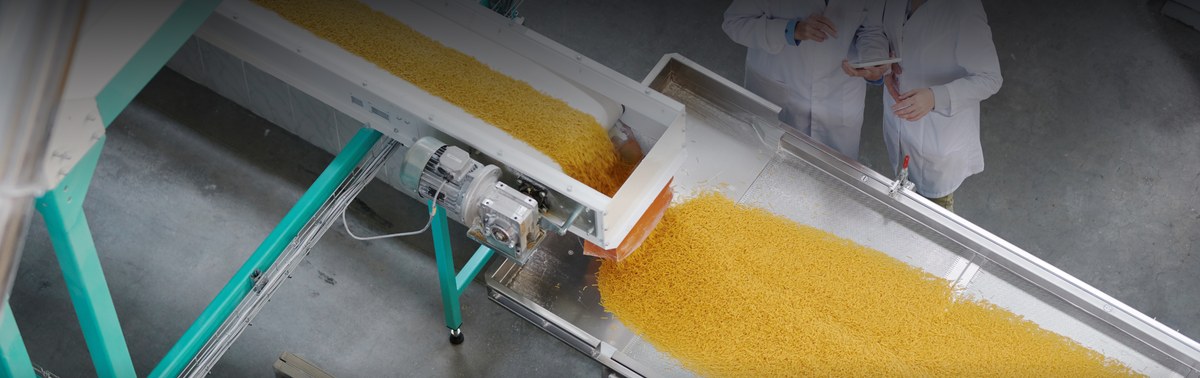
A hygiene risk map is a claim about the world, and like any claim it needs evidence before anyone should act on it. That is the thinking behind how every OnXR food pilot is structured. We do not ask a plant to trust the system on day one. We prove it, on that plant's own lines, against that plant's own swabs, and only then does it start doing real work.
The four steps
A handheld scan builds a photoreal 3D twin of the plant. Hygiene hotspots do not move, so drains, benches and conveyor frames are scanned in place, and capture fits around production, not the other way round.
UV fluorescence carries the hygiene signal, biofilm and organic residue on food contact surfaces. Near infrared and short wave infrared reflectance carries moisture, standing water and surface composition. Both are mapped onto the twin.
The hygiene team keeps swabbing exactly as normal. Nothing changes in their routine. We line up each swab result against what the risk map said for that surface at that time, and score it, line by line, shift by shift, until the map is calibrated to that plant and the numbers hold up.
Once proven, imaging becomes the continuous monitor and routine swabbing drops back to a light periodic assurance check, not zero, a spot check that confirms the system is still reading the plant correctly. Date stamped 3D records, cleaning verification and swab history sit in one evidence pack.
Why swabbing does not disappear
We are careful never to promise that swabbing goes to zero, because it should not. Two things keep a residual swab regime in place even once a line is proven. First, the model can drift, different lighting, a new shift pattern, a change to a line, and it needs periodic re anchoring against ground truth to stay accurate. Second, food safety law rests on a microbiological laboratory test, so an assurance swab regime is the right, defensible thing to keep running, however good the risk map gets.
What genuinely changes is the balance of work. Before proof, swabbing is the primary and only signal a team has, taken on a fixed rotation regardless of where the real risk sits. After proof, the risk map is the primary continuous signal, and swabbing becomes a lighter, targeted check that confirms the map is still telling the truth.
In plain terms: prove then run means the swab and lab test that already sits at the centre of food safety never gets displaced. It gets a partner that watches every hour of every shift, not just the ones on the rota.
What comes out the other end
The scorecard from the proving phase is not a marketing number, it is the evidence a plant's own hygiene and QA team reviewed before they agreed to rely on the system. Alongside it sits an audit pack, date stamped 3D records of the plant, cleaning verification and full swab history, built for BRCGS audit, retailer audit and FSA inspection without a week of preparation beforehand.
If you missed the first two posts in this series, they cover why standard swab testing has a structural blind spot, and exactly what the imaging technology can and cannot see.
Become a foundation partner
We are taking on a small number of food manufacturers as foundation partners. The pilot is free when you come onto the OnXR platform, and your lines help prove and calibrate the system.
Talk to us about a foundation pilot