
The golden thread is a data problem
Regulation 31 asks for a record that is secure and only changed under procedures that log who changed it and when. A folder of site photographs is an archive, not a golden thread.

Two thirds of BAC applications refused this year
The certificate queue has slowed. The duties have not. When the direction lands you have 28 calendar days, which is enough time to assemble a safety case, not to build one.

Only 32 per cent of storm claims resulted in a payment
No FCA rule prescribes the evidence needed to decline a claim. The working bar comes from how the Ombudsman weighs a file, and that is set by the record taken at the property.

Martyn's Law lands in spring 2027
Section 7 asks how your procedures reduce the risk at those premises. That is a spatial argument, and a floor plan does not show sightlines.

31 December 2026, the date every MOD supplier needs
DCC Level 0 is the entry ticket. For anyone capturing 3D records of defence sites, the harder question sits in the National Security Act 2023 and your Security Aspects Letter.
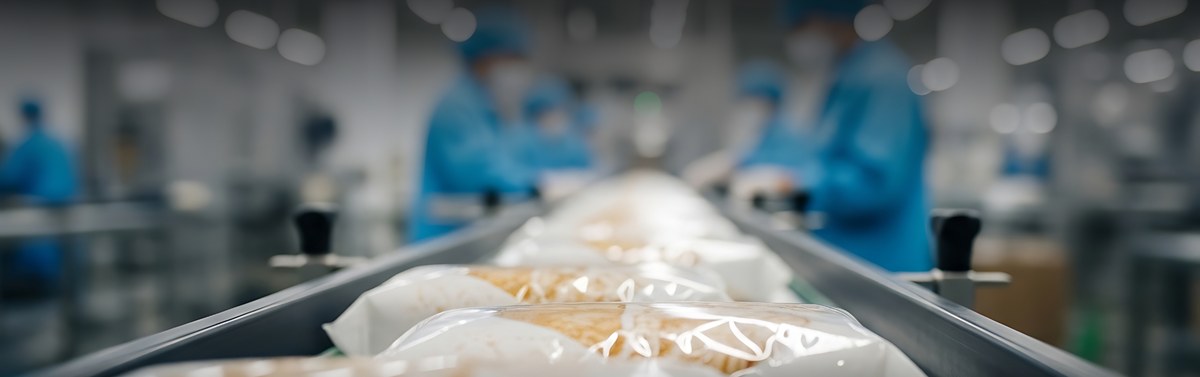
Issue 10 is being written right now
Issue 9 is still what gets audited. The clauses sites fail on are about proof: environmental monitoring with action limits and trends, validated cleaning, and root cause analysis.
The 48 hour blind spot in food hygiene monitoring
Why a plant can pass every swab on Monday and still ship a risk on Thursday.
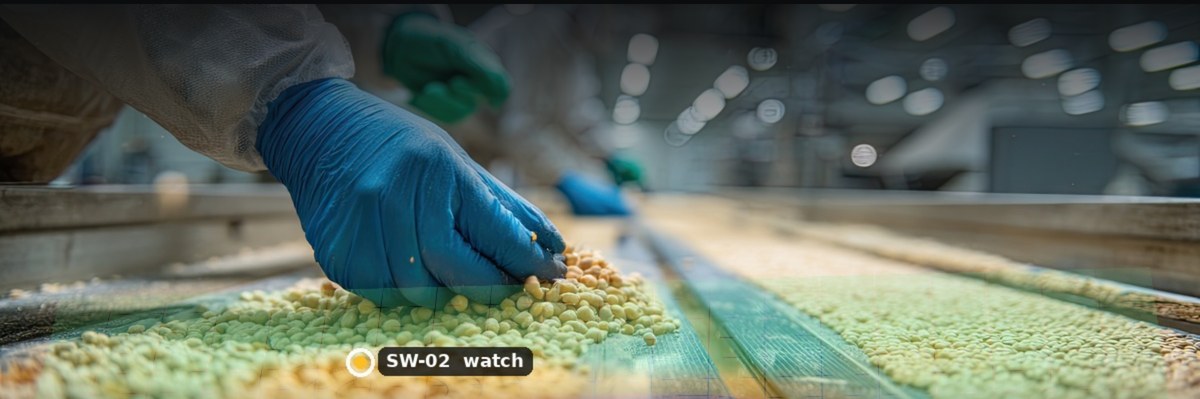
What hyperspectral imaging actually sees on a line
It is a risk map, not a bacteria camera. Here is exactly what the cameras pick up.
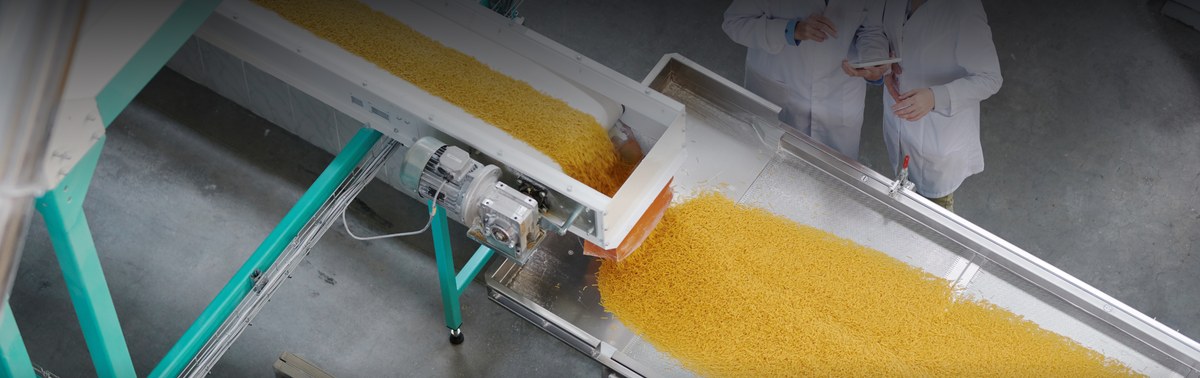
Prove it, then run it
The four step process every OnXR food pilot goes through before it is trusted to run.

One capture, six verticals: why we built one platform, not six products
Construction, facilities management, insurance, security, defence and food production look like six separate markets from the outside. Underneath, they are asking the same spatial question in different accents.

Martyn's Law and the paperwork problem: how a spatial record helps
The Protect Duty asks venues and premises to understand their own vulnerabilities and plan for them. That starts with actually knowing your site, not just believing you do.

Fraud, faster to catch: temporal comparison and the evidence chain
Exaggerated and staged claims usually rely on a gap between what a property looked like before and what it looks like now being hard to check precisely. A twin closes that gap.
Roles, permissions and reviewer accounts: how we let clients in safely
Giving a client, a contractor or an auditor access to a twin should never mean giving them access to everything else on the platform. Here is how we draw that line.

From reactive to planned: what a live twin does to a maintenance schedule
Most FM teams know reactive maintenance is more expensive than planned maintenance. The reason they stay reactive is usually visibility, not intent.
Data residency, and why it matters: built and hosted in the UK
For a lot of buyers, hosting is a background detail. For regulated and public sector clients, it is often the first question, and it deserves a straight answer.

BIM without the bottleneck: an IFC overlay inside the twin
Comparing what was built to what was designed usually means two separate pieces of software and someone translating between them. We put the design model and the as built twin in the same view.

Measurement tools and temporal comparison: proving what changed
A before and after photo tells you something changed. Measuring two captures of the same space against each other tells you exactly how much, and where.

IoT and LiDAR: making the twin live, not just accurate
A twin captured once a month is accurate for one day a month. Live sensor data is what keeps the other twenty nine days honest.
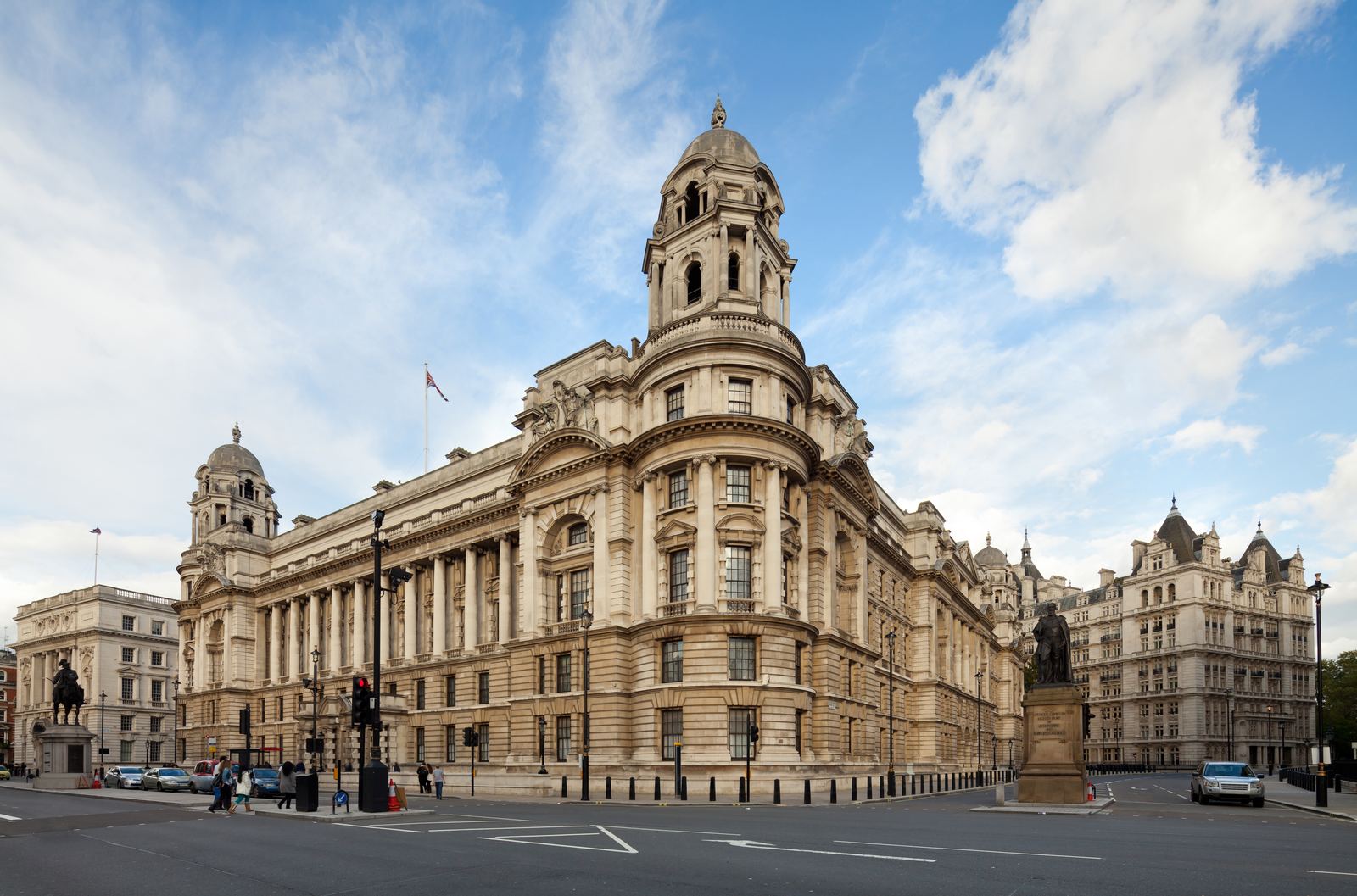
Secure digital twins for defence and government estates
Defence estates need everything a commercial building needs from a twin, plus a level of control over hosting and access that most commercial platforms never had to design for.

Heatmap overlays: the single most requested feature across every vertical
Six different personas, across all four verticals, independently asked for the same thing: a way to see risk and activity as a pattern across a whole site, not as a list of individual points.
Planning camera coverage in 3D, before the blind spot exists
Most CCTV blind spots get discovered after an incident, when it is too late to matter. A spatial model of the site lets a team find them on a screen, in advance.

Where AI actually fits in a digital twin, without the hype
Object detection finds things in a twin faster than a person scrolling through it. It does not replace the judgement of the person deciding what those things mean.

What a photoreal twin proves that a photo cannot
A loss adjuster's photo shows one angle, taken once. A twin shows the whole space, measured, dated, and available to anyone on the file without a second site visit.

Reports, annotations and review: the workflow every vertical asked for
A twin is only useful once someone can mark it up, get it checked, and turn what they found into a document someone else will actually read.
Facilities management without the spreadsheet guessing game
Most estates teams can tell you what is on the asset register. Fewer can tell you, without a site visit, exactly where it is and what condition it was last seen in.

Inside the pipeline, from a walk with a scanner to a photoreal twin
Capture is the easy part to demonstrate. What happens between a handheld scan and a twin you can trust is where most of the engineering actually lives.

From snagging to Building Safety Act evidence
Progress photos and a snagging spreadsheet used to be enough. Under the Building Safety Act, a project needs a golden thread of information it can actually produce on request.

Why we build on 3D Gaussian Splatting, not point clouds
A point cloud tells you where the surfaces of a building are. A splat tells you what the building actually looks like. On a compliance record, that difference is the whole point.

What we actually mean by spatial intelligence
It is a phrase that gets used loosely across our industry. Here is what it means on our platform, and just as importantly, what it deliberately does not mean.